
Author: david
Deeper Spatial Discovery with Visium HD 3′


Visium HD 3' is here! Explore more species - Now Shipping
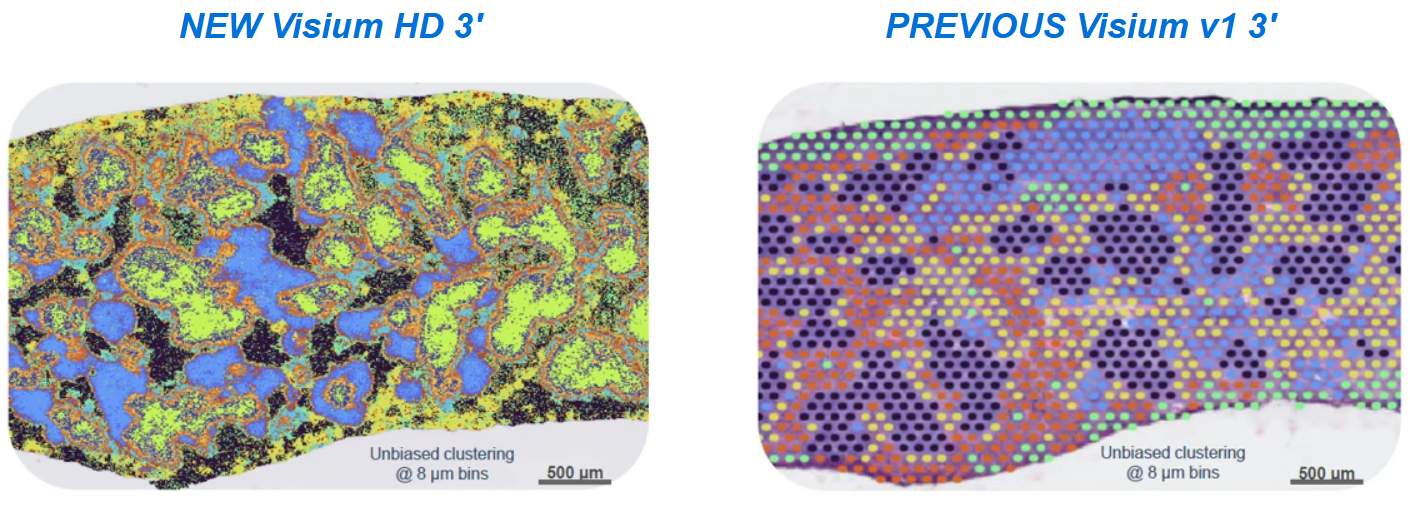
Introducing 10x Genomics‘ Visium HD 3’, a novel assay for unbiased cross-species spatial gene expression profiling of fresh frozen tissue sections mounted on a standard glass slide. The Visium HD’s array has a gapless design that enables integration of unsupervised gene expression clustering data with microscope H&E images from the same tissue section, allowing precise profiling of finer anatomical features with high tissue coverage at single cell-scale resolution.
Furthermore, this novel reverse transcription-based assay generates cDNA products compatible with both short reads and long reads sequencing, extending its applications beyond gene expression analysis to enable immune profiling and the discovery of isoforms and novel transcripts on a spatial level.

Key Features
Visium HD 3’ assay, which delivers whole transcriptome spatial analysis with a 3’ poly(A) capture-based chemistry. This assay provides:
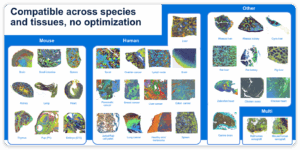
- Flexibility to explore the spatial biology of fresh frozen samples from any species
- De novo spatial discovery power, including isoforms, TCRs/BCRs, and SNVs
- True single cell resolution with new cell segmentation software
- Streamlined slide handling and high spatial fidelity powered by the Visium CytAssist instrument
Space Ranger v4.0.1 is now live! Expand the power of Visium HD with cell segmentation
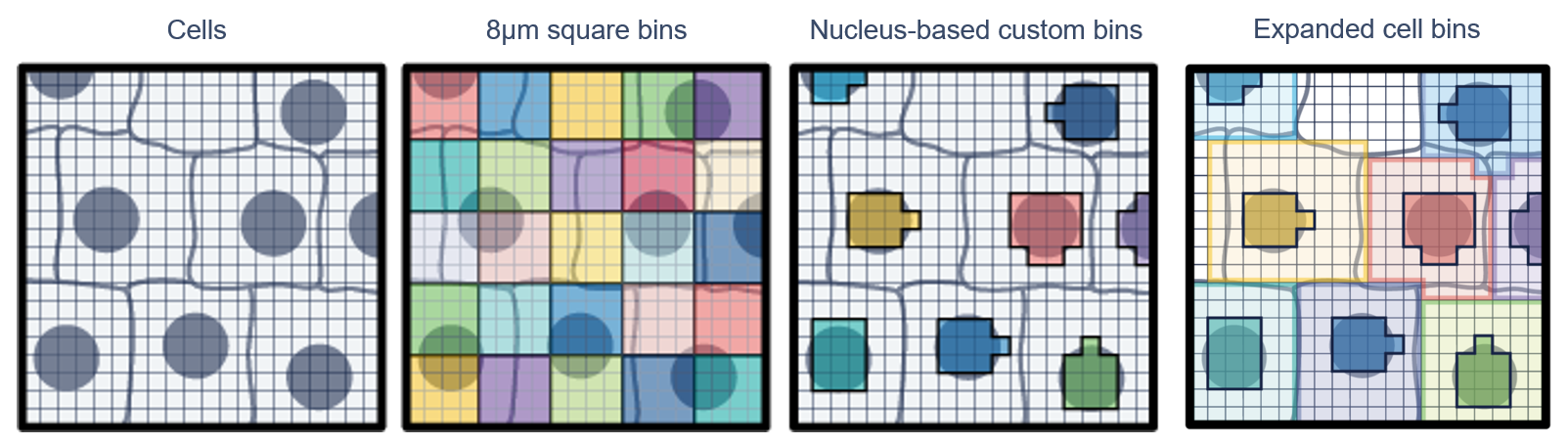
Improve cell-type resolution with nuclei expansion–based cell segmentation available in Space Ranger version 4.0 software. Importantly, Space Ranger v4.0 now supports cell and nucleus segmentation with H&E images. So you can reprocess existing Visium HD data through the new Space Ranger pipeline to derive these nuclei and cell segmentation outputs alongside the square bins
- Input a brightfield image of your H&E-stained tissue into the Space Ranger pipeline
- The software performs nuclei detection and expansion
- The Space Ranger pipeline outputs custom binning files viewable in Loupe Browser software
The new version can be found at: https://www.10xgenomics.com/support/software/space-ranger/latest
Some other notable features are:
- A new UMI-based registration algorithm for Visium HD and Visium HD 3′ data.
- You can now visualize and analyse Visium HD / Visium HD 3′ cell segmentation in Loupe Browser v9.
Watch introductory webinar on-demand
Learn more about the Visium HD 3’ assay in this introductory webinar, including a Q&A with product experts.
Build your own Visium HD 3’ experiment
Use 10x Genomics’ interactive tool to design your Visium HD 3’ experiment. Answer questions about your sample types and experimental goals, and get kit recommendations.

Other Resources
Press Release: 10x Genomics Expands Visium Platform with Launch of Visium HD 3’ Gene Expression, Unlocking Deeper Spatial Recovery
Grant application resources for Visium products
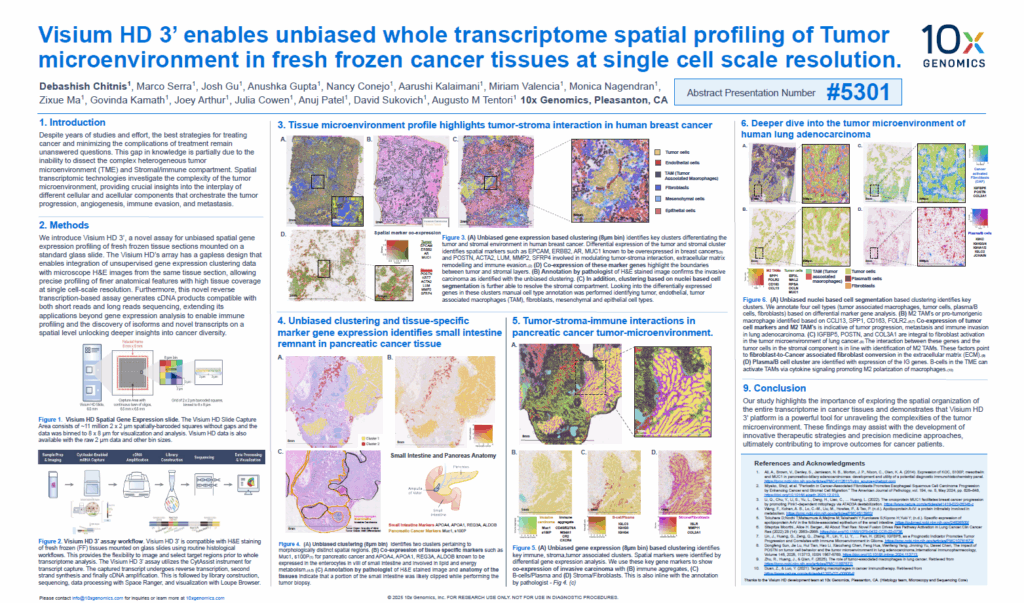
AACR Annual Meeting (Chicago) Visium HD 3′ poster: Visium HD 3’ enables unbiased whole transcriptome spatial profiling of Tumor microenvironment in fresh frozen cancer tissues at single cell scale resolution.
Streamline Microbial Growth Studies with the Agilent BioTek LogPhase 600
Overview
The Agilent BioTek LogPhase™ 600 Microbiology Reader is a high-performance solution for labs studying microbial growth and metabolism. Purpose-built to support real-time, kinetic analysis of bacteria and yeast cultures, the LogPhase 600 enables the simultaneous monitoring of microbial growth curves across up to four standard 96-well microplates – boosting throughput and consistency for microbiology applications.
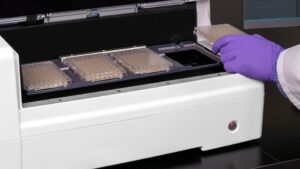
Precision Temperature Control and Shaking for Reliable Growth Conditions
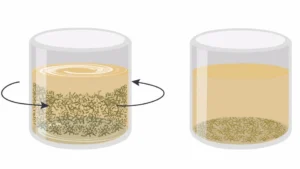
Designed specifically for microbial assays, the LogPhase 600 features robust shaking and sensor-driven temperature control, which are essential for optimal bacterial and yeast cell growth. The integrated orbital shaking mechanism keeps microbial cultures in suspension, promoting uniform growth across all wells.
Advanced temperature regulation ensures uniform heating throughout the instrument, eliminating edge effects and minimising evaporation. A carefully engineered top-to-bottom temperature gradient prevents condensation on sealed plates – reducing light scatter and ensuring accurate optical density (OD) measurements.
Consistent and Reproducible Microbial Growth Curves
Whether you’re performing bacterial growth curve analysis or extended kinetic microbial studies, the LogPhase 600 provides reproducible results across replicates. Its stable environment makes it ideal for long-term microbial monitoring, delivering high-quality data for even the most demanding experimental conditions.
Intuitive Software for Simplified Microbiology Analysis
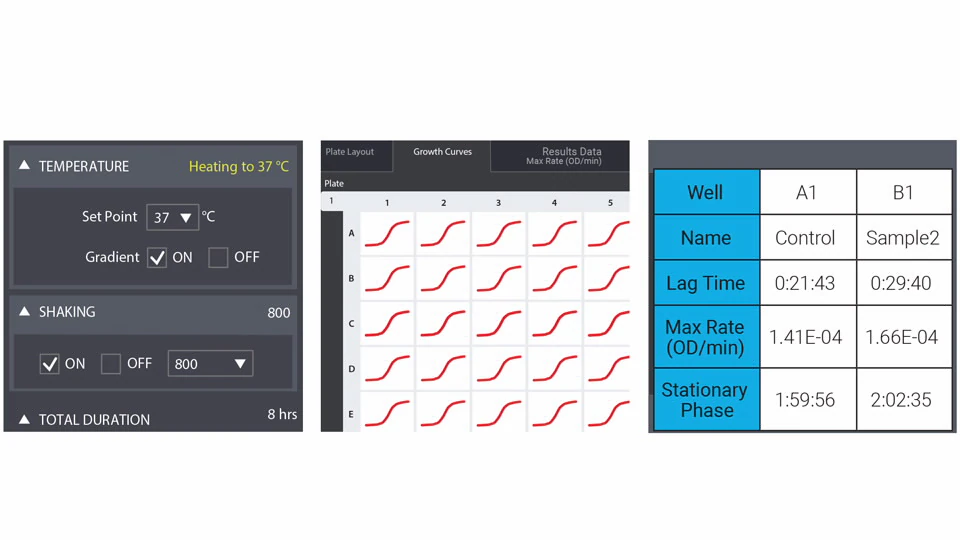
The LogPhase 600 is controlled via a user-friendly app that simplifies data acquisition and analysis across multiple microplates. Designed with microbiologists in mind, the software allows users to:
-
Start using the instrument with minimal training
-
View multiplate data simultaneously
-
Automatically calculate key growth parameters like Lag time, Maximum growth rate (OD/min) and Time to stationary phase
This makes it easy to integrate the instrument into both academic and industrial lab workflows.
Versatile Applications for High-Throughput Microbiology
With its four-plate capacity, the LogPhase 600 delivers higher throughput than single-plate readers – ideal for labs running large-scale experiments. Common research areas include:
-
Bacterial and yeast growth assays
-
Algal growth studies
-
Antimicrobial resistance research
-
Biofuel production monitoring
-
Food and beverage microbiology testing
Why Choose the Agilent BioTek LogPhase 600?
For researchers seeking a dedicated microbiology plate reader that delivers accuracy, scalability, and ease of use, the LogPhase 600 offers an unmatched combination of throughput, data quality, and application-specific performance. Whether you’re monitoring bacterial growth under various conditions or conducting resistance assays, the LogPhase 600 ensures your data is consistent and actionable.
Contact Us
If you have a question or would like pricing for a LogPhase 600 simply email customerservice@mscience.com.au.
On this page
- Overview
- Precision Temperature Control and Shaking for Reliable Growth Conditions
- Consistent and Reproducible Microbial Growth Curves
- Intuitive Software for Simplified Microbiology Analysis
- Versatile Applications for High-Throughput Microbiology
- Why Choose the Agilent BioTek LogPhase 600?
- Contact Us
In the Lab with Dr Michael Smout
xCELLigence, Hookworms and Wound Healing with Dr Michael Smout. Webinar Recording Now Available!
Recently, Dr Michael Smout from James Cook University, provided an insightful webinar where he delved into his pioneering research on parasitic worms and their potential in advancing wound healing therapies. Central to his studies is the Agilent xCELLigence Real-Time Cell Analysis (RTCA) system, a cutting-edge technology that enables continuous, label-free monitoring of live cells.
Dr. Smout’s work focuses on the granulin protein secreted by parasitic worms, exploring its role in accelerating wound healing—a discovery that holds promise for treating chronic wounds, particularly in diabetic patients.
Webinar Highlights
- Application of xCELLigence RTCA in monitoring cellular responses to parasitic proteins.
- Insights into the therapeutic potential of parasite-derived compounds in wound healing.
- Discussion on the integration of real-time cell analysis in parasitology research.
Agilent xCELLigence RTCA System
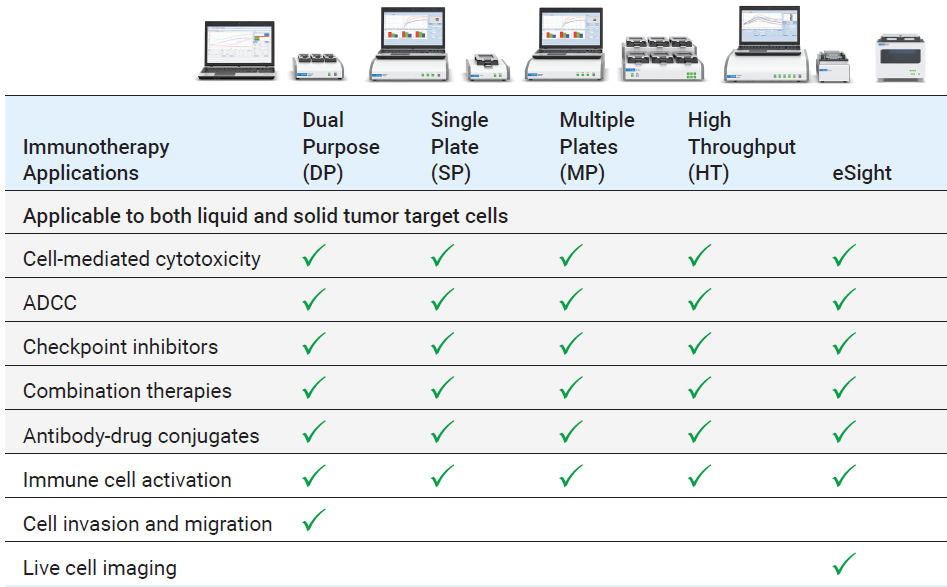
The Agilent xCELLigence RTCA system is a state-of-the-art platform that provides real-time, label-free analysis of cellular events. By measuring electrical impedance across microelectrodes integrated into the bottom of specialised plates, the system offers dynamic monitoring of cell proliferation, morphology, and viability. Key features include:
- Continuous, non-invasive monitoring of live cells.
- High sensitivity and reproducibility in detecting cellular changes.
- Versatility across various applications, including cytotoxicity, cell adhesion, and migration assays.
This technology has been instrumental in advancing research across multiple disciplines, providing researchers with a deeper understanding of cellular behaviours in real-time.
In the Lab with Dr Sabrina Sofia Burgener
Live Cell Imaging of Inflammasome Signalling
In this webinar, Dr Burgener shares how Agilent technologies, including the Cytation 5 Cell Imaging Multimode Reader, have advanced her inflammasome research by enabling high-throughput live-cell imaging over time – providing dynamic insights into inflammasome activation and signalling outputs.
What you’ll learn:
- The role of the NLRP3 inflammasome in immune defence and sterile inflammation
- Key mechanisms: CASP1 activation, cytokine release, gasdermin D cleavage, and pyroptosis
- Limitations of single-endpoint assays in inflammasome research
- How live-cell imaging enables temporal analysis of ASC speck formation, cytokine secretion, and cell death
- Newly established, standardised assays for tracking inflammasome activation in real-time
On this page
10 Tips To Prevent Cell Culture Contamination
Introduction
In this article, we share 10 essential cell culture contamination tips to help you safeguard your cultures and protect your work.
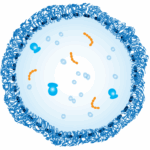
Mycoplasma contamination silently affects 15–35% of continuous cell cultures worldwide, undermining research reliability and wasting time and resources. Unlike other contaminants, mycoplasma is too small to detect under a microscope, can pass through standard filtration, and is resistant to many antibiotics. Preventing mycoplasma is critical for reproducibility and confidence in results.
1. Maintain Strict Aseptic Techniques
Good aseptic technique is your first defence. Consistent practices – such as hand hygiene, sterilising equipment, and minimising culture exposure – help reduce contamination risk.
2. Regular Mycoplasma Testing
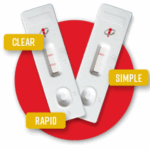
Routine testing is essential. Kits such as MycoStrip provide rapid and reliable detection of mycoplasma, ensuring issues are caught before they compromise experiments.
3. Quarantine New Cell Lines
Always isolate and test new cell lines before introducing them to your main laboratory environment. This step prevents cross-contamination and protects existing cultures.
4. Filter Sterilise Reagents
Use filtration with appropriately sized pores to eliminate potential contaminants in culture media and reagents.
5. Avoid Talking and Sneezing Near Cells
Surprisingly, 80% of lab staff carry mycoplasma. Talking or sneezing over cells can spread contamination, so keep lids closed and conversations outside the hood.

6. Retire Mouth Pipetting (It’s So 1970s!)
Mouth pipetting can introduce mycoplasma species such as M. orale. Always use proper pipettes – your cells (and lab safety officer) will thank you.
7. Maintain Clean Workspaces
Regular cleaning of biosafety cabinets, incubators, and other workspaces prevents contamination from building up in the lab environment.
8. Ensure Proper Training for Personnel
Well-trained staff are less likely to make mistakes that lead to contamination. Invest in training for all team members handling cultures.
9. Consider Preventative Antibiotics
Preventative antibiotic cocktails, such as those from InvivoGen, provide an additional safeguard when working with primary cells or cloning, where contamination risks are high.
10. Ask for Mycoplasma-Free Certification
Always request certification from suppliers confirming that cell lines are free from mycoplasma contamination before introducing them into your workflow.
Protect Your Research Integrity
By adopting strict aseptic practices, regular mycoplasma testing, and preventive measures, you can dramatically reduce the risk of contamination. Keeping your cultures clean ensures reliable results, saves time, and prevents costly experimental setbacks.
📘 Want to Learn More?
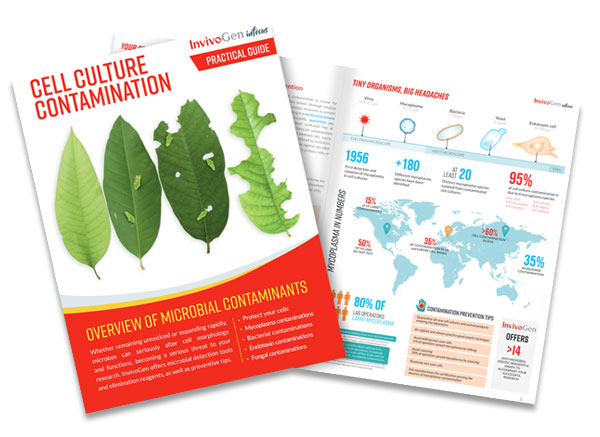
Download this Practical Guide to Understanding Cell Culture Contamination e-book for in-depth insights and strategies.
On this page
- Introduction
- 1. Maintain Strict Aseptic Techniques
- 2. Regular Mycoplasma Testing
- 3. Quarantine New Cell Lines
- 4. Filter Sterilise Reagents
- 5. Avoid Talking and Sneezing Near Cells
- 6. Retire Mouth Pipetting (It’s So 1970s!)
- 7. Maintain Clean Workspaces
- 8. Ensure Proper Training for Personnel
- 9. Consider Preventative Antibiotics
- 10. Ask for Mycoplasma-Free Certification
- Protect Your Research Integrity
- 📘 Want to Learn More?
Common Challenges in RNA Extraction and How to Solve Them
From Sample to Data: Cleaner RNA, Better Results
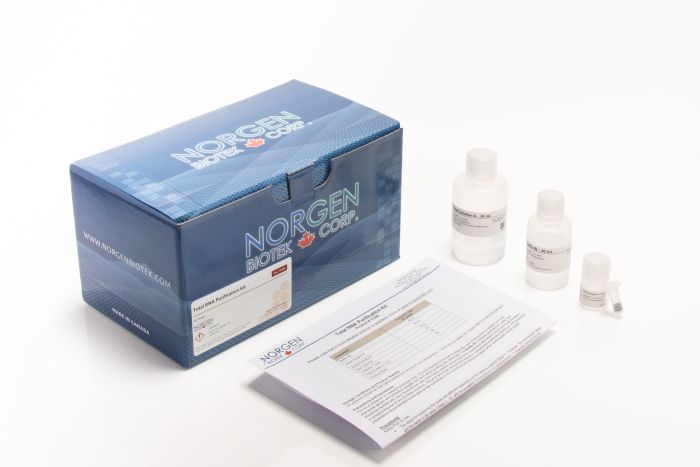
RNA extraction is a crucial step in molecular biology, but it often comes with obstacles that can impact downstream applications such as RT-qPCR, sequencing, and microRNA analysis. Researchers in Australia and New Zealand frequently face challenges with low yield, degraded RNA, or inhibitor contamination. Fortunately, Norgen Biotek’s Total RNA Purification Kits, distributed by Millennium Science, offer reliable and comprehensive solutions.
Challenge 1: Low RNA Yield
Working with small or precious samples often results in low RNA recovery.
Solution: Norgen’s Total RNA Purification Kits are optimised to maximise yield across a wide range of sample types, including blood, plasma, tissues, and cultured cells. With just one kit, researchers can extract total RNA covering all sizes from large mRNA down to small RNA species such as microRNA ensuring nothing important is lost.
Challenge 2: RNA Degradation
RNA is notoriously unstable and highly susceptible to degradation during purification.
Solution: Norgen’s patented silicon carbide (SiC) resin technology protects RNA integrity throughout the process. This unique chemistry binds and isolates all RNA species including fragile small RNAs without the need for harsh chemicals like phenol, chloroform, or alcohol precipitation. By operating under gentler conditions than traditional silica methods, the SiC resin preserves RNA integrity and delivers intact RNA ready for sensitive applications such as sequencing, RT-qPCR, and microRNA profiling.
Challenge 3: Presence of Inhibitors
Contaminants such as heme, salts, or proteins can inhibit enzymatic reactions and compromise results.
Solution: Norgen kits efficiently remove inhibitors during the purification process, providing RNA that is pure, stable, and immediately suitable for downstream workflows, from gene expression analysis to diagnostic assay development.
Take the uncertainty out of RNA extraction. Request a quote or contact Millennium Science today to learn more about Norgen Biotek’s complete range of RNA purification solutions.
Why Choose Norgen Biotek with Millennium Science
As the exclusive distributor of Norgen Biotek products in Australia and New Zealand, Millennium Science, based in Melbourne, provides researchers with responsive technical support, and competitive pricing. By combining innovative technology with local expertise, Millennium Science ensures scientists have the tools they need to achieve reproducible, high-quality results.
Practical Tips for Reliable cDNA Synthesis in qPCR Workflows
Why cDNA synthesis quality matters for qPCR results
In any qPCR workflow, the quality of your cDNA is critical. Poor reverse transcription can lead to low sensitivity, biased results, and unreliable gene expression data. By following a few best practices and using a high-performance kit such as the SensiFAST™ cDNA Synthesis Kit from Meridian Bioscience (Bioline), together with Meridian’s RNA Isolation Kits, researchers in Australia and New Zealand can achieve consistent, reproducible results from sample to data.
Tip 1: Start with High-Quality RNA
The integrity of your RNA will directly impact your cDNA synthesis. Meridian’s RNA Isolation Kits provide high-yield, inhibitor-free RNA suitable for sensitive downstream applications. Whether you are working with blood, tissues, or cultured cells, these kits deliver clean RNA that sets the foundation for reliable cDNA synthesis.
Tip 2: Choose a Kit Designed for Full Coverage
Not all cDNA synthesis kits are created equal. Some introduce a 3′ bias, leaving long transcripts under-represented. The SensiFAST cDNA Synthesis Kit uses a combination of anchored oligo(dT) primers (which ensure the 3′ ends of mRNAs are always captured) and random hexamer primers (which prime across the whole transcript). This ensures a more accurate reflection of gene expression.
Tip 3: Optimise for Low Input Samples
When working with small or precious samples such as biopsies, sensitivity matters. The SensiFAST kit can generate high-quality cDNA from as little as 1 picogram of RNA, making it ideal for low-input applications. Pairing it with Meridian’s RNA Isolation Kits ensures even small amounts of RNA are recovered efficiently and protected from inhibitors.
Tip 4: Validate with a Trial Kit
For labs trialling Bioline solutions for the first time, trial kits are available. These smaller packs let you test both the RNA Isolation Kit and the SensiFAST cDNA Synthesis Kit in your own workflows before scaling up—helping you validate results with minimal upfront cost.
Why Choose Millennium Science
As the exclusive distributor of Meridian Bioscience Bioline products in Australia and New Zealand, Millennium Science provides:
- Local stock availability for faster delivery
- Expert technical support across RNA isolation and cDNA synthesis workflows
- Competitive pricing and access to trial kits for first-time users
From RNA isolation to first-strand synthesis, every step matters in your qPCR workflow. By combining Meridian’s RNA Isolation Kits with the SensiFAST cDNA Synthesis Kit, researchers can achieve reproducible, high-quality results, even with challenging or low-input samples.
The Reagent Insider: Advancing Alzheimer’s research
Tips, insights and updates
As the leading cause of dementia, Alzheimer’s disease impacts over 50 million people worldwide. In Australia, dementia has recently overtaken heart disease as the leading cause of death, particularly among women. While current treatments focus on symptoms, new research aims to target the underlying disease from clearing amyloid-β, inhibiting tau aggregation, and modulating neuroinflammation to understanding the gut-brain axis and early metabolic changes in AD.
Hot Product
StressMarq’s high-quality tau, amyloid-β, and alpha-synuclein proteins support research into the mechanisms underlying Alzheimer’s disease. Contact us for details.

Exploring the Gut-Brain Link in Alzheimer’s
Emerging studies show gut health influences cognitive function, with a balanced microbiome and Mediterranean diet potentially lowering dementia risk. Using Norgen Biotek’s Stool Nucleic Acid Collection and Preservation Systems, researchers are uncovering novel approaches to tackle cognitive decline.
Connect with Narisa Dawar to learn more about Norgen Biotek.
Lab Favourite
Silence Alzheimer’s-related genes with siRNA.
Targeting tau reveals its role in microtubule stability and neurofibrillary tangles. Check out Revvity’s Dharmacon™ siRNA solutions.

MedChemExpress Neurodegenerative Disease-related Compound Library
This library of 2,960 compounds targets amyloid-β, dopamine receptors, COMT, LRRK2, 5-HT receptors, and more! Perfect for high-throughput, high-content screening of neurodegenerative mechanisms and potential treatments for Alzheimer’s, Parkinson’s, and MND.
Curious about MCE’s compound libraries? Christine Goy is just an email away!
Protocol Tip
Stay on track in Alzheimer’s research. Use InvivoGen’s Mycoplasma Strip to detect contamination early to ensure reliable neuronal and glial culture results. Email Christine Goy for details.

Metabolomics and the Brain
Understanding early metabolic changes in Alzheimer’s disease may identify new therapeutic targets and predictive biomarkers. Metabolomics can detect these subtle biological shifts before clinical symptoms appear, supporting the development of early interventions and treatments that may improve outcomes for people with AD.

Mabtech IRIS 2 in Immunology Research: Insights from Dr Liam Kealy
Introduction
When accuracy, sensitivity, and throughput matter, immunologists are turning to advanced platforms like the Mabtech IRIS 2. Dr. Liam Kealy, Postdoctoral Researcher at Monash University, recently shared his insights into how the IRIS 2 elevated his work on plasma cells and antibody secretion and his experience working with Millennium Science. His testimonial highlights why the IRIS 2 is considered a gold standard for ELISpot, FluoroSpot, and viral focus-formation assays.


The Research Challenge: Studying Plasma Cells and Antibodies
Before adopting the Mabtech IRIS 2, Dr. Kealy and his team faced a significant challenge: the need for a multiplex approach to directly study plasma cells and the diverse antibodies they secrete. Conventional workflows lacked the flexibility and precision required for such complex immunology studies.
Gold-Standard Accuracy in Spot Detection
The Mabtech IRIS 2 solved this challenge by providing high-throughput, accurate, and user-friendly spot detection. According to Dr. Kealy:
“The IRIS 2 by Mabtech stands as the gold standard in spot detection and analysis. Equipped with advanced software, it enables high-throughput spot counting with unparalleled accuracy. Moreover, it is capable of detecting up to four colours and can provide users with additional metrics like relative spot volume.”
Applications in Immunology
This capability has opened new possibilities for his research, including ELISpots, FluoroSpots, and viral focus-formation assays. With its ability to measure multiple analytes simultaneously, the IRIS 2 enables researchers to collect richer datasets while saving time and samples.

Advanced Analysis with the Mabtech IRIS 2
The intuitive interface and advanced software tools mean researchers can move seamlessly from data acquisition to analysis. For immunologists studying antibody secretion, vaccine responses, or infectious disease mechanisms, this efficiency translates to deeper insights and faster progress.
Experience working with Millennium Science
Equally important, the collaboration with Millennium Science has played a role in supporting Dr. Kealy’s research goals. He notes:
“I always immensely enjoy chatting science with Millennium Science and working with their team to design bespoke strategies to tackle my research questions.”

Takeaway
For researchers seeking accuracy, flexibility, and high-throughput performance in multiplex immunology assays, the Mabtech IRIS 2 offers a user-friendly solution trusted by leading scientists.
Advance Your Infectious Disease Research with ACROBiosystems
Power Your Research: Proteins, Antibodies & More Await!
As we step into the new year, Millennium Science is excited to partner with you in advancing your research! Whether you’re embarking on groundbreaking projects or tackling routine experiments, our exclusive selection of ACROBiosystems reagents for infectious disease research is designed to support every stage of your work. With special offers on premium products, we are committed to providing you with the tools needed to achieve precise, reliable results in virology and immunology studies.
Why Choose ACROBiosystems Reagents for Infectious Disease Research?
ACROBiosystems is a trusted global leader in the development of high-quality recombinant proteins, antigens, antibodies, and assay kits for infectious disease research. Their reagents are widely used in vaccine development, antibody screening, diagnostic assay development, and therapeutic drug discovery. With a comprehensive portfolio spanning immunology, oncology, and virology, ACROBiosystems ensures reproducibility and accuracy in scientific experiments.
Key Benefits of ACROBiosystems Reagents:
- High Purity & Bioactivity – Ensuring reliable and consistent experimental results.
- Extensive Product Portfolio – Covering a wide range of infectious disease targets, including SARS-CoV-2, influenza, RSV, HPV, and more.
- Custom Solutions Available – Tailored reagents to meet specific research needs.
- Validated for Diagnostic and Therapeutic Applications – Trusted by leading biotech and pharmaceutical companies.
Millennium Science is a proud distributor of ACROBiosystems, offering exclusive access to their latest products and technical expertise.
The Global Impact of Infectious Diseases
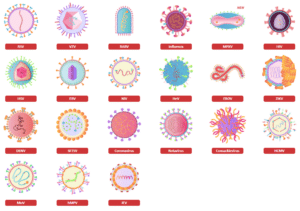
Infectious diseases, caused by viruses, bacteria, fungi, and parasites, continue to pose significant global health risks. These diseases can spread through direct human contact, contaminated water, airborne transmission, and insect vectors. Some of the most pressing infectious diseases include:
- Respiratory Viruses – Influenza, respiratory syncytial virus (RSV), SARS-CoV-2
- Zoonotic Diseases – Rabies, Hendra virus, Nipah virus
- Oncogenic Viruses – Human papillomavirus (HPV), Epstein-Barr virus (EBV)
- Tropical & Vector-Borne Diseases – Malaria, dengue fever, chikungunya
With the ongoing threat of pandemics and emerging viral infections, researchers worldwide are focused on vaccine development, antiviral drug discovery, and improved diagnostic methods.
Addressing Viruses of Concern with Advanced Reagents
Since late 2019, the SARS-CoV-2 pandemic has highlighted the importance of robust virology research and vaccine development. Historically, diseases like smallpox, the plague, and the Spanish flu have had profound impacts on human society. Today, viruses such as influenza, rabies, RSV, and HPV continue to threaten global health.
To combat these challenges, scientists rely on high-quality recombinant proteins, neutralising antibodies, and assay development tools to accelerate vaccine research and therapeutic discoveries.
Our Commitment to Advancing Infectious Disease Research
At Millennium Science, we are dedicated to supporting virologists, immunologists, and infectious disease researchers with cutting-edge reagents that drive progress. Our partnership with ACROBiosystems enables us to provide:
- Top-tier reagents for virus research, vaccine development, and drug discovery.
- Access to the latest recombinant proteins and antigens.
- Ongoing technical support and consultation for product selection and protocol optimisation.
Explore Our Reagents for Infectious Disease Research
Click below to search our extensive catalogue of ACROBiosystems reagents for your infectious disease research, and discover how Millennium Science can support your next breakthrough!
On this page
- Power Your Research: Proteins, Antibodies & More Await!
- Why Choose ACROBiosystems Reagents for Infectious Disease Research?
- The Global Impact of Infectious Diseases
- Addressing Viruses of Concern with Advanced Reagents
- Our Commitment to Advancing Infectious Disease Research
- Explore Our Reagents for Infectious Disease Research